List with context
Drafts, live listings and sold cards, with the asking price beside the card’s value.

Sports cards and trading card games, graded or raw. Scan a slab, see its value from recorded sales, and keep it in one book with your listings and your ledger, on your phone and at your desk.

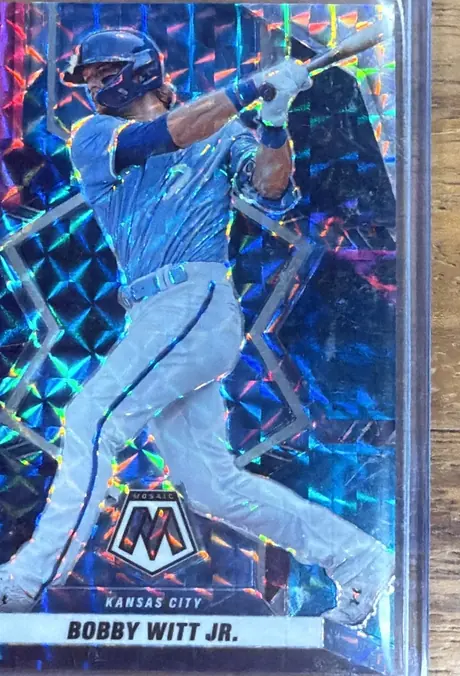

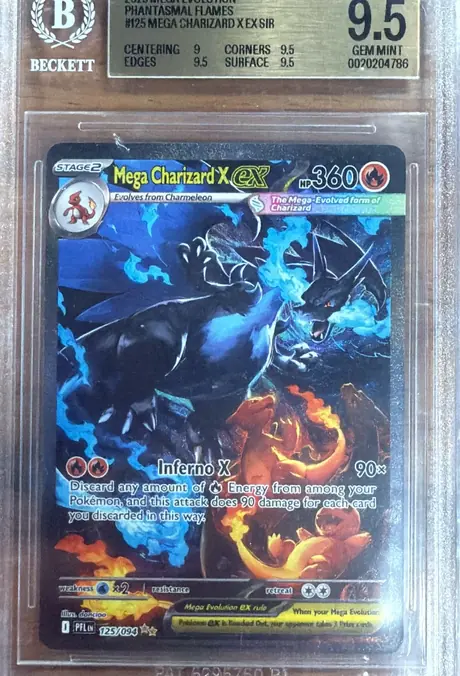

One card, from the moment it comes in to the line in your ledger.
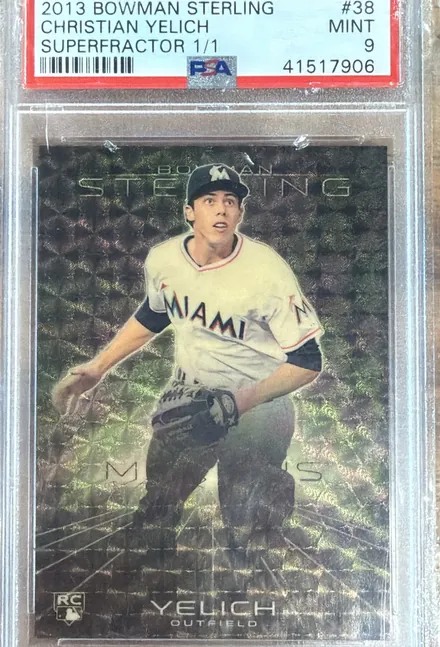
Scan the cert on a graded slab with your phone, or add a raw card from the catalog.
Check the match, printing and grade. Add your pictures, your cost and where the card is kept.
Values draw on recorded sales. Estimates and cards still waiting for a value are marked.
List the card, then record the buy, sale or trade against it in your ledger.
Every card keeps its pictures, printing, grade, cert number and where it is kept. Search and filter the whole book to find one.
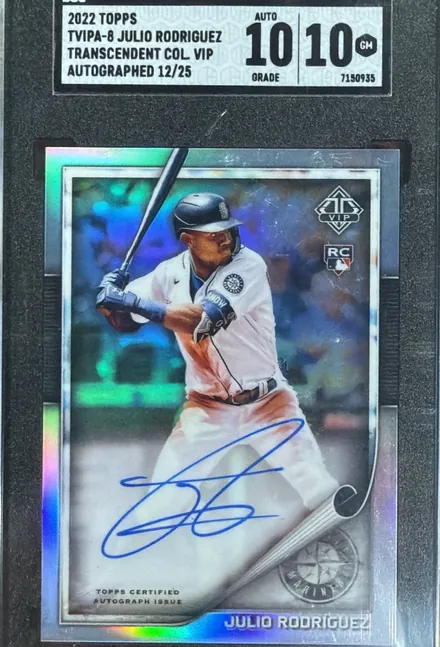
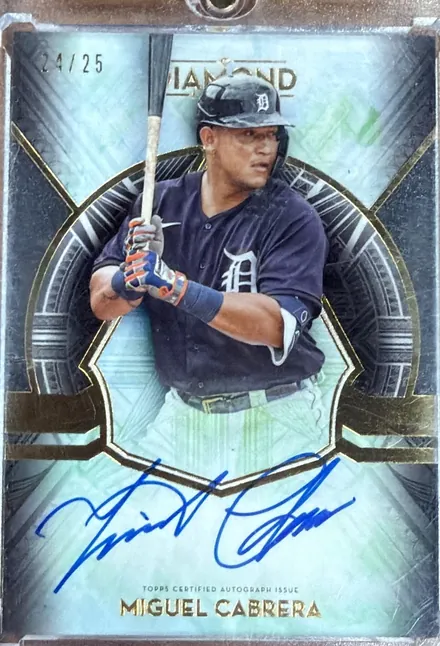
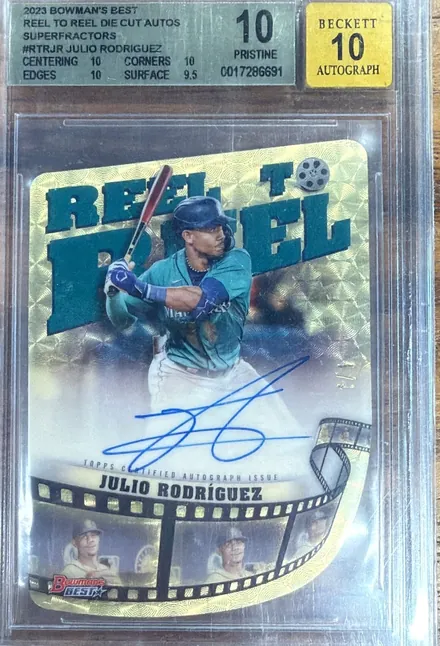
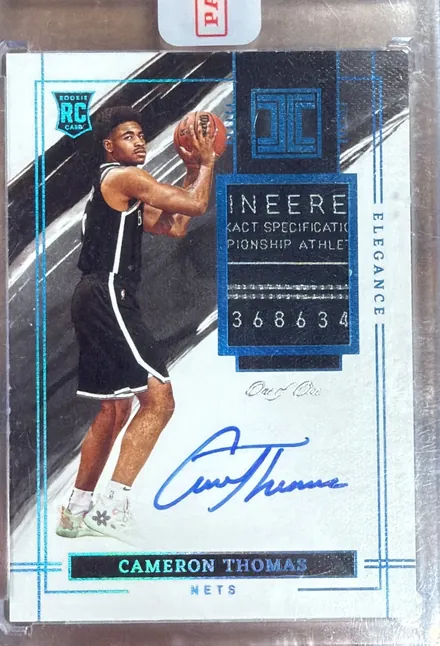


Your purchase cost is the record of your deal. A market value is a reference for your next one.MDC matches a card by identity and grade to recorded sales and shows where each figure came from. Coverage varies by card, and a card still waiting for a value is marked as waiting.
Drafts, live listings and sold cards, with the asking price beside the card’s value.
Buys, sales, trades and expenses, with shows and contacts kept beside each deal, and reports to follow the money.
Give staff a role in your workspace and choose who can see what you paid.
MDC is by invitation during the beta. A dealer who already uses MDC sends you a link, and the link opens your account. Lost yours? Ask the dealer who invited you to send it again.
Have an account? Sign in